Blog ·
Making Your Walk-In Shower Work Harder for Your Home
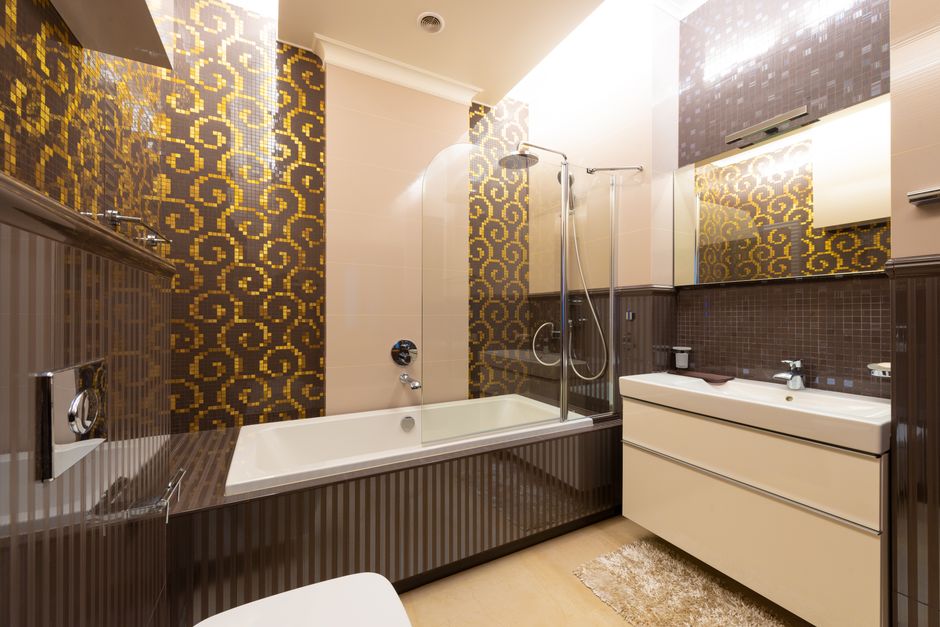
A walk-in shower isn't just about personal comfort—it's a functional component of your home that impacts daily living in subtle but meaningful ways. Understanding how to maximize its role helps you get the most from this investment.
Water efficiency becomes more obvious once you pay attention. Open showers typically use water more effectively than enclosed spaces because water coverage is more uniform and there's no wasteful splashing onto surrounding areas. Choosing water-saving showerheads and fixtures keeps your consumption reasonable while maintaining the open feel you wanted. This balance matters for both your utility costs and environmental impact.
Moisture management protects your entire bathroom. Proper ventilation during and after showers prevents humidity from damaging drywall, wood trim, or adjacent spaces. Run your exhaust fan for 20 minutes after each shower, or install a humidity-sensing fan that operates automatically. This simple habit extends the lifespan of your bathroom finishes significantly.
Your flooring choice affects daily safety and longevity. Textured surfaces prevent slipping when wet. Proper slope toward the drain prevents standing water that could damage subfloors. Regular cleaning maintains both appearance and safety. Some materials require different maintenance approaches—understanding your specific floor type ensures you're caring for it correctly.
Cleaning frequency keeps your shower looking fresh. Open showers require regular rinsing to prevent soap scum or mineral buildup. A simple weekly rinse with water maintains appearance without intensive scrubbing. Hard water areas might need occasional treatment, but this is manageable with basic products.
Temperature control benefits from regular testing. Make sure your thermostatic valve maintains consistent water temperature. Sudden temperature swings indicate that maintenance might be needed. This prevents scalding and gives you reliable comfort every time you shower.
Sealing and caulking need periodic attention. Check where walls meet the shower base for deterioration. Small repairs prevent water intrusion that could cause larger problems. Annual inspection catches issues before they become costly.
Consider how your walk-in shower integrates with your daily routine. If multiple people shower in sequence, does the floor dry quickly between uses? Does ventilation manage moisture effectively? Small observations guide any adjustments that make the space work even better for your household.
Your walk-in shower is part of your home's infrastructure. Maintaining it thoughtfully ensures it performs reliably while protecting the surrounding space, making it a true asset for years to come.